

Learn With Mina
Learning Begins With Safety
The autonomic nervous system is our shadow.
You don’t see it, but it quietly shapes how we learn, focus, listen, and connect.
When learning feels hard -when attention drifts, sounds overwhelm, words get stuck, or social situations feel confusing – it’s often not a lack of effort or intelligence. It’s the nervous system doing its best to protect.
I work with children and adults whose nervous systems are stuck in survival mode. Together, we gently bring the body and mind back into safety so learning can happen again – naturally, without force.
If you are looking for a kind, nonjudgmental, and collaborative way to support learning differences, you’re in the right place.
A Different Way to Understand Learning Differences
At WeCanLearn2Learn, I take the “dis” out of disorder and dysfunction.
Many behaviors labeled as problems are actually protective neurological responses—automatic adaptations shaped by stress, sensory overload, or early experiences. These responses often look like:
- Inattention
- Hyper‑ or hypo‑sensitivity to sound
- Language delays
- Social confusion
- Difficulty with memory or organization
They are rarely intentional. They happen below awareness and outside conscious control.
Instead of trying to fix or override these responses, we focus on connection, organization, and integration of body, mind, and emotions into a more coherent whole. When safety increases, learning follows.
Who I Work With
I support:
- Infants
- Young children
- Caregivers and families
- Adults across the lifespan
Including individuals with:
- ADHD
- Autism
- Auditory sensitivity
- Inattention
- Social confusion
- Language delays
I also offer speaking engagements, webinars, and experiential trainings for professionals and caregivers.
Why Safety Is the Gateway to Learning
Neuroscience has radically changed our understanding of how learning works.
We now know that a felt sense of safety opens the portal to learning – at any age. Chronic stress, especially during pregnancy, infancy, and early childhood, can shape the nervous system in ways that limit attention, resilience, and emotional regulation later in life.
A little stress can be motivating.
Chronic stress, however, trains the body to stay on guard.
These adaptive responses are often misunderstood as defiance, lack of motivation, or poor behavior. In reality, they may be expressions of:
- Sensory overload
- Fear or threat
- Low self‑confidence
- Shame or anger
- A need to escape overwhelming input
When the body learns it is safe again, these responses soften.
How I Work
There is no single technique that fits everyone.
I draw from a range of nervous‑system‑informed, body‑based approaches, and I adapt the work to the individual in front of me. The pace is collaborative, respectful, and guided by what the body is communicating.
Depending on the person and the situation, our work may include:
- The Safe and Sound Protocol (SSP) to support auditory processing, regulation, and social engagement
- Gendlin’s Focusing, which helps individuals sense into and listen to subtle body signals that carry meaning and direction
- Embodiment practices that support awareness, grounding, and regulation through movement, breath, posture, and felt experience
These approaches help bring attention out of the head and into the body – where many learning blocks actually live.
The goal is not to push through discomfort, but to build the capacity to stay present with it, so it can shift.
The Safe and Sound Protocol (SSP)
The Safe and Sound Protocol (SSP) is one resource I may offer when it fits the client’s needs.
SSP is:
- Easy and non‑invasive
- Non‑medicated
- Non‑judgmental
- Relational and supportive
It can be delivered in person or online, in the comfort of your home, with guidance and check‑ins throughout the process.
Physical discomfort, worry, fear, and anxiety often interfere with attention, memory, and learning. SSP supports the nervous system by offering consistent cues of safety through listening.
Developed by Dr. Stephen Porges and grounded in Polyvagal theory, SSP uses algorithmically filtered music to gently support the middle ear muscles, which play a key role in how we process sound and human voice.
By improving how sound is interpreted, SSP can support:
- Auditory processing
- Sound sensitivity
- Social engagement
- Listening‑based learning
The protocol involves up to five hours of filtered music, introduced gradually. Music choices may include instrumental or familiar songs, depending on what feels most supportive.
SSP does not replace relationship or awareness – it works best alongside attuned support and integration.
Early Infancy and Newborn Support
Sometimes stress begins very early – in utero, during birth, or in the first days of life.
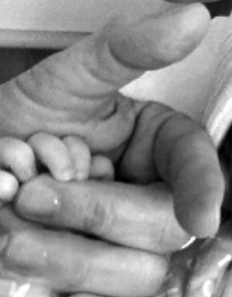
Medically induced births, birth complications, and NICU stays can limit the amount of holding, cooing, and skin‑to‑skin contact infants need for nervous system regulation and early bonding.
I am a Transforming Touch® Professional (TTP), a pre‑ and nonverbal, body‑based intervention for developmental trauma. This gentle approach supports infants and young children who have experienced early stress, medical intervention, or separation by working directly with the body’s sensory and regulatory systems – before words are available.
As a TTP, I offer attuned, hands‑on support that helps infants and caregivers restore regulation, connection, and a sense of safety during a critical window of development.
I also provide in‑hospital infant care during Neonatal Intensive Care Unit stays, supporting regulation, attachment, and early sensory integration when medical environments limit relational contact.
Early experiences shape the nervous system.
Repair is possible.
What Becomes Possible
With nervous‑system‑informed, body‑based support, individuals often experience changes in:
- Social engagement
- Attention and concentration
- Memory
- Auditory processing
- Sensory integration
- Communication
- Comprehension
- Motor coordination
- Confidence and resilience as learners
This work supports:
- Trauma‑informed learning
- Language and comprehension development
- Restorative newborn care
- Multicultural awareness and appreciation
Neuroplasticity allows for change across the lifespan. New experiences can reshape old patterns.
The Heart of This Work
I work collaboratively with children, adults, families, and caregivers to help the nervous system recognize safety again.
The aim is not to correct behavior or force learning.
The aim is to create the conditions where learning can naturally emerge.
When the body feels safe, attention settles.
When attention settles, learning follows.
If something in this page resonates either for you or for your child, the next step is simply a conversation. We can take a few minutes to talk about what you’re noticing and whether support from a nervous‑system‑informed approach might be helpful. You’re welcome to reach out to schedule a 15‑minute consultation.