

I believe learning is a fundamental life skill – and that access to it is not equal, not because some people care less or try less, but because learning depends on far more than intelligence or effort. Research and lived experience both show that learning is inseparable from emotional and physiological wellbeing.
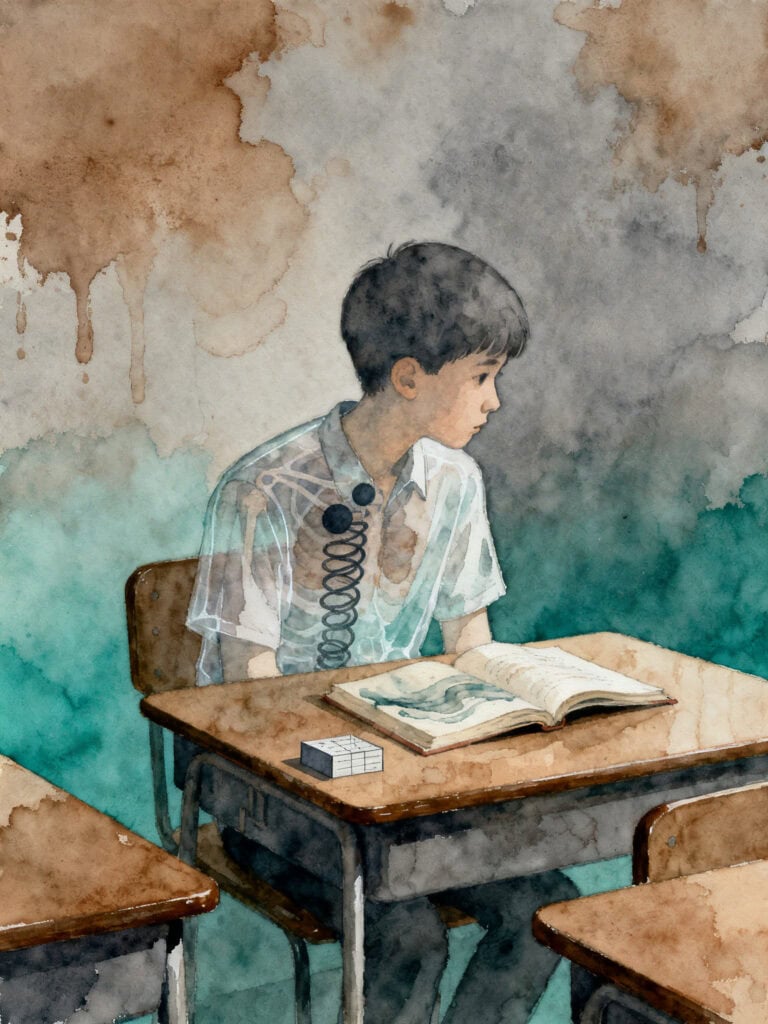
When the nervous system is under stress, learning suffers.
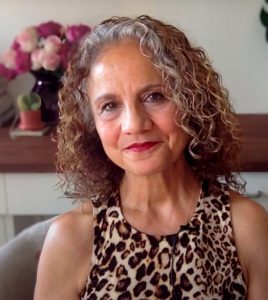
As a neuro‑integrative learning specialist and licensed educational therapist, my work is rooted in embodied learning. Years of teaching, clinical practice, and research have confirmed what many students intuitively know: learning is a whole‑body process. Yet most educational systems focus almost exclusively on academic output and behavior, using rewards and punishments to drive performance. For many students, this approach erodes confidence rather than builds it.
Over time, discouragement can turn into anxiety, avoidance, and a deep sense of failure. Performance pressure often strips learning of joy. School refusal, sometimes called school phobia, is far more common than reported, and without a formal diagnosis it frequently goes unaddressed. Many wounded learners carry the impact into adulthood, struggling with self‑worth, motivation, anxiety, depression, and chronic stress. In its most extreme forms, learning anxiety contributes to avoidance, dropping out, and addiction – patterns that are rising at alarming rates.
There is another way forward.
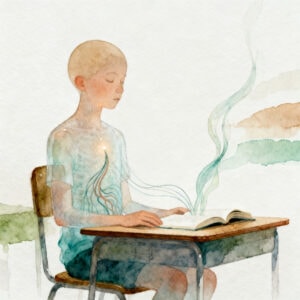
Research on neuroplasticity shows that the brain retains the capacity to change throughout life with the right support and brain‑savvy training. Together, we can activate and strengthen neural pathways that support regulation, curiosity, and learning – allowing our inner capacity as a learners to emerge and grow.
Starting earlier can make the process easier, but it is never too late.
I work with learning as a fluid cognitive, emotional, and physical process. My approach is relational, experiential, and individualized. I work one‑on‑one with children, teens, and adults – in-person, on Zoom, and in educational settings – and I collaborate closely with families and schools. Together, we integrate mind and body through awareness‑based and applied processing practices.
Rather than forcing learners to adapt to rigid systems, I help individuals understand how they learn best and to advocate for themselves. Each person develops an individualized, personal, and embodied map. This map brings their emotions, physical sensations, thoughts and learning skills into balanced alignment. From this place, learning becomes more resilient, flexible, and sustainable.
My work integrates both verbal and non‑verbal strategies. I speak five languages – English, Spanish, French, German, and Farsi – and I am developing my own sixth, which I call Polyvagal‑ease. It is a compassionate, non-judgemental, and constructive way of speaking to oneself and others that supports kindness and emotional ease. This is a body‑mind‑intelligent language that I model and teach through attuned, relational work. It helps soothe the nervous system and invites curiosity, connection, and learning.
My background includes extensive intercultural living and advanced training in trauma‑responsive body‑mind modalities. I am a Somatic Experiencing Practitioner, a certified Felt Sense Polyvagal Model (FSPM) Facilitator, a Polyvagal‑informed Focusing‑Oriented Professional (PFOP), and a Transforming Touch Professional. I also incorporate sound‑based approaches as a Unyte‑iLs Associate, working with the Safe & Sound Protocol, Focus System, and Rest and Restoration Protocols.
I hold a PhD in art history, which continues to inform my work with depth, culture, and creativity.
You can explore more of my work through my blog and YouTube channel, where I share conversations and interviews with experts for families, educators, caregivers, and learners interested in neuroscience‑informed education and mind‑body wellness.