

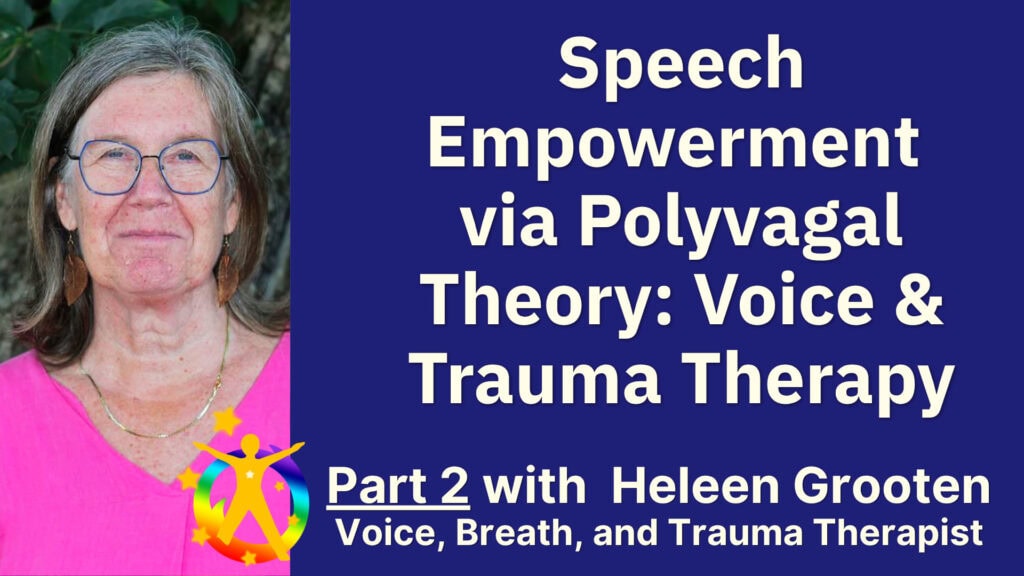
Communication is a fundamental human right – essential for expressing thoughts, building connections, and thriving both academically and emotionally. Yet, for many individuals, especially children and young adults, the simple act of speaking can become a hurdle due to underlying stress, anxiety, or neurological conditions. In a recent conversation between Mina Roustayi, an Integrative Learning Specialist, and Heleen Grooten, a Dutch speech-language pathologist and a pioneer in polyvagal-informed therapy, the duo explored how a sense of safety is pivotal to unlocking the potential in every voice.
Why Safety is the Secret Ingredient in Communication
Modern research – and firsthand experience – highlight that excessive stress can temporarily lower IQ and disrupt the brain’s speech circuits. As Mina Roustayi points out, these effects are all too relevant in today’s high-pressure world, especially within public education. Rather than focusing solely on structural issues or deficits, both Mina Roustayi and Heleen Grooten emphasize the profound impact of creating environments where safety is prioritized.
When clients visit Heleen Grooten feeling as though something is physically “blocked” in their throat, they are often told by medical professionals that nothing is structurally wrong. Heleen Grooten meets them with warmth, a cup of tea, and a nonjudgmental ear. Her first goal? Establish an atmosphere of safety, showing genuine interest in their stories and symptoms. This humanist, polyvagal-inspired approach helps clients begin to feel understood and at ease – setting the stage for meaningful change.
The Polyvagal Theory: Science of Safety
At the heart of this method lies the Polyvagal Theory, which recognizes that our autonomic nervous system – responsible for our “fight, flight, freeze” reactions – profoundly influences our ability to communicate. Heleen Grooten explains that past traumas or adverse childhood experiences can trigger survival states that inhibit speech:
- The sympathetic state leads to anxiety or hyperactivity (fight or flight).
- The dorsal vagal state results in withdrawal, dissociation, or a sense of numbness (freeze).
Understanding that these responses are not personal failings, but adaptive survival mechanisms, is a game-changer for both clients and therapists. As trust and self-compassion grow in a safe environment, neuroplasticity enables individuals to gradually reclaim their natural communication abilities.
Reimagining Diagnoses Through the Polyvagal Lens
A striking example discussed is apraxia, a condition where someone wants to speak and can physically make the movements, but cannot perform them on command. Traditionally viewed as a strictly neurological issue, the polyvagal perspective recognizes how deep states of “freeze” can lock both the mind and body, making it impossible to express oneself despite the desire and intention.
By validating the impact of past experiences and facilitating safety, Heleen Grooten and her colleagues have witnessed clients slowly regain ease, self-awareness, and their inherent drive to connect. This approach doesn’t require one to be a psychologist—any caring educator, therapist, or provider can offer this simple but transformative presence.
From Theory to Practice: Practical Advice for Educators & Professionals
Both experts highlight the importance of:
- Consistent Safe Connections: Even one supportive relationship can ignite change and foster new, healthier neural pathways.
- Self-awareness for Providers: It’s crucial for helping professionals to stay grounded in their own regulated state to offer genuine connection.
- Universal Application: The principles of the Polyvagal Theory can be adopted by anyone – teachers, speech therapists, social workers – to bridge gaps in learning and unleash each individual’s true potential.
Final Thoughts
Embracing the Polyvagal Theory and prioritizing safety in education and therapy can turn the tide for those struggling with speech-language challenges. As Heleen Grooten wisely notes, “Safety is the treatment.” It’s time for schools and professionals to integrate this essential knowledge, transforming not just performance, but the lives behind each voice.
Connect with Heleen
Websites:
https://www.heleengrooten.nl/English
https://www.voiceandtrauma.com/
LinkedIn:
https://www.linkedin.com/in/heleen-grooten-49b00861/