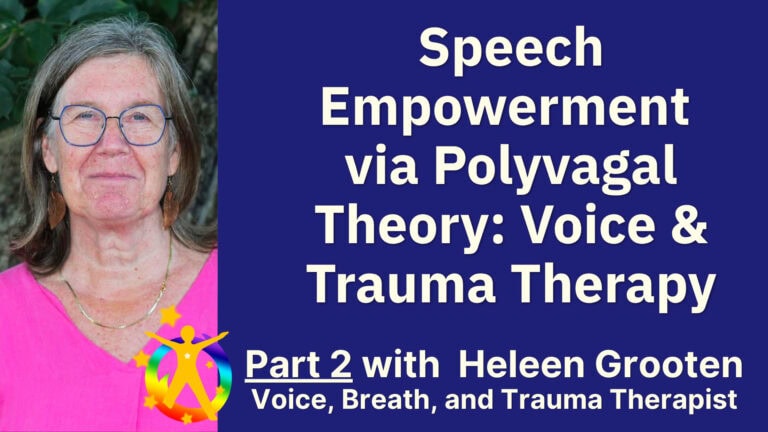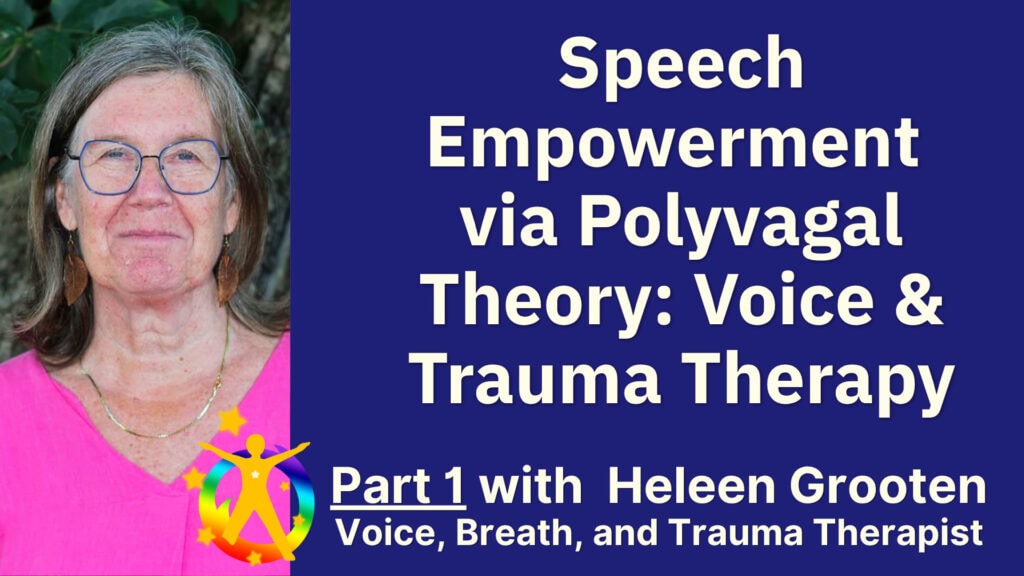
Understanding the connection between trauma, our nervous system, and communication is gaining momentum in the world of speech-language pathology. In a recent interview on the We Can Learn 2 Learn blog, Mina Roustayi sat down with Heleen Grooten, an experienced speech-language pathologist from Gennep, Netherlands, whose work is pioneering the integration of Polyvagal Theory into therapy for voice and speech challenges.
What Is Polyvagal Theory?
Developed by Dr. Stephen Porges, Polyvagal Theory explores how the autonomic nervous system (ANS) influences our ability to connect, communicate, and feel safe. Heleen Grooten explained that our nervous system isn’t just responsible for basic survival responses like fight, flight, or freeze – it also deeply impacts our social engagement and ability to express ourselves.
When our nervous system is dysregulated due to trauma or stress – whether it’s from childhood experiences, social rejection, or more severe events – it can block our ability to communicate effectively. According to Heleen Grooten, even seemingly minor childhood events, such as being dismissed or shamed when expressing emotions, can create lasting patterns that affect speech, voice, and even overall health.
Trauma Beyond the Obvious
Many people assume trauma means surviving war or natural disasters, but Heleen Grooten and Mina Roustayi challenge this notion. Trauma can stem from a wide spectrum of experiences, including family dynamics, chronic criticism, or emotional neglect. These experiences can result in repression of feelings, which over time creates tension and blocks in the throat and jaw – ultimately impacting the ability to speak.
The Polyvagal approach recognizes not just ‘shock trauma’ but also the cumulative impact of everyday stresses that stop us from sharing our authentic selves.
The Science: How Safety Affects Voice and Health
Humans, like other mammals, need to feel safe to be healthy and communicative. When we’re safe and connected, our bodies relax, our breathing slows, and our voice becomes clear and strong. Conversely, when our ANS senses threat, even subconsciously, it can trigger survival states like hyperarousal (fight/flight) or withdrawal (freeze). These states manifest through physical symptoms – clenched jaws, restricted breathing, and even gastrointestinal issues.
Heleen Grooten emphasized that many “medically unexplained” voice and throat problems, as well as issues like irritable bowel syndrome, are linked to these states of dysregulation. Healing starts when clients become aware of their nervous system’s role and learn to regulate it.
A Non-Pathologizing Approach to Therapy
Heleen Grooten’s method is radically non-pathologizing. Instead of labeling clients by their behaviors or symptoms, she and her colleagues focus on understanding the nervous system and its reactions. This approach recognizes that behavior often arises from unconscious survival mechanisms – not personal failings.
She teaches therapists, coaches, and educators the importance of creating cues of safety through calm, regulated speech, relaxed eye contact, and genuine connection. This not only helps clients regain their voices and self-expression but also promotes overall health and well-being.
Creating a Ripple Effect of Safety
The effects don’t stop in the therapist’s office. As Heleen Grooten trains speech-language therapists and other professionals, they in turn create safe environments in their circles, benefitting communities at large. During the pandemic, this work became even more critical, as social isolation pushed many people into withdrawn, depressed states. Recognizing the biological imperative for safety and connection, strategies such as breathing exercises and in-person connections are becoming vital tools for recovery.
Why It Matters
By understanding and applying Polyvagal Theory, therapists help people move from survival to connection, turning neurological challenges into opportunities for growth. As Mina Roustayi noted, clients once labeled as having “low intelligence” or “borderline” issues often thrive when given the safety and support their nervous systems need.
Final Thoughts
The future of speech-language therapy is moving towards holistic, trauma-informed approaches that honor the needs of the whole person. Polyvagal Theory is at the forefront, providing a scientific yet compassionate framework that bridges body, mind, and communication.
Connect with Heleen
Websites:
https://www.heleengrooten.nl/English
https://www.voiceandtrauma.com/
LinkedIn:
https://www.linkedin.com/in/heleen-grooten-49b00861/