

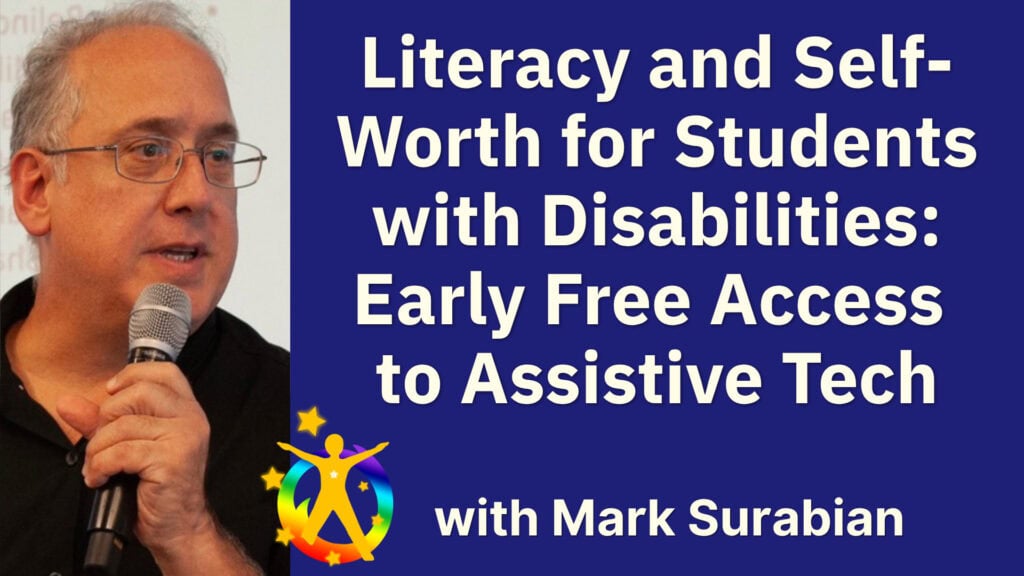
Empowering Communication: How Assistive Technology Transforms Lives
Access to communication is a fundamental human right, but for individuals who cannot speak verbally, communication can be a significant barrier. Thankfully, advances in assistive technology (AT) are opening new pathways for independence and self-expression. In a recent episode of the We Can Learn to Learn Vlog, Mina Roustayi explored the transformative power of assistive technology in supporting communication and accessibility for people with diverse needs.
What Is Assistive Technology?
Assistive technology encompasses any tool or device that empowers individuals to participate in their environment independently. This field covers a wide scope – from supporting those with low vision or physical disabilities to giving a voice to individuals who have lost or never developed the ability to speak. Whether it’s enabling a child with communication delays or helping an adult with vision loss navigate their home, AT is about bridging gaps in accessibility and fostering autonomy. As discussed in the video, effective use of AT can complement therapy and educational interventions, ensuring that individuals do not fall behind as they work toward their goals.
Making Specialist Guidance Accessible
One notable program highlighted in the conversation has adopted a generalist approach, providing guidance and free support for a broad range of accessibility needs. The team’s mission is to be a trusted starting point for families, educators, and individuals seeking the right advice on assistive tools. Additionally, if a more specialized intervention is needed, they help connect people with domain-specific experts.
Services are made possible through generous grants, enabling the program to offer free one-on-one support, device loans, and professional trainings for families and organizations across multiple states and even remotely via platforms like Zoom. This inclusive vision means that assistance is just an email or video call away, regardless of location.
Early Intervention and Evidence-Based Practice
Research-backed interventions are at the core of the program’s philosophy. Contrary to common misconceptions, using tools such as augmentative and alternative communication (AAC) devices or literacy apps does NOT impede natural development. In fact, these tools fill critical gaps and preserve self-worth by ensuring continued engagement with learning, reading, and self-expression while other interventions take hold.
Introducing these technologies early is key. For children with conditions like dyslexia, exposure to literacy tools can prevent academic delays and frustration, making learning more enjoyable and affirming. Similarly, children who use communication devices don’t lose the drive to speak; they always prefer the fastest, easiest means to express themselves – so when verbal skills emerge, they’ll naturally use them.
Legal Rights and Access to Communication
It’s not just good practice, it’s the law. Both national and international regulations enshrine the right to communication. The United Nations charter and federal mandates like Medicaid recognize AAC devices as medically necessary, obligating schools and insurers to provide access as early as possible.
Families and educators should be aware of their legal rights and procedural pathways to ensure timely evaluation and provision of communication devices. Early childhood intervention, especially, can make a dramatic difference in development and quality of life.
Rethinking Labels: “Disability” vs. “Access”
An important cultural discussion surrounds the terms we use, such as “disability,” “special needs,” or “neurodiversity”. Ultimately, individuals themselves should define their identities and experiences. From a broader perspective, barriers often arise not from the individual, but from inaccessible environments. For example, a wheelchair user challenged by a rural farm may find full mobility and inclusion in an urban, accessible city.
The take-home message: focus on removing barriers and providing access so that everyone can reach their potential. Labels should serve individuals, not constrain them.
Everyone Deserves a Voice
Assistive technology is about giving individuals the power to communicate, advocate, and thrive. Whether for a four-year-old with complex medical needs or an adult experiencing vision loss late in life, accessible tools make everyday life richer and more inclusive. As AT services and outreach expand with training, device loans, and remote support, more people than ever are being empowered to express themselves and shape their own futures.
If you or someone you know could benefit from guidance or free support in assistive technology, don’t hesitate to reach out to dedicated professionals committed to breaking down barriers.
You can connect with Mark via:
AT Help Website: https://athelp.org/
LinkedIn: https://www.linkedin.com/in/marksurabian/
Email: athelp@me.com