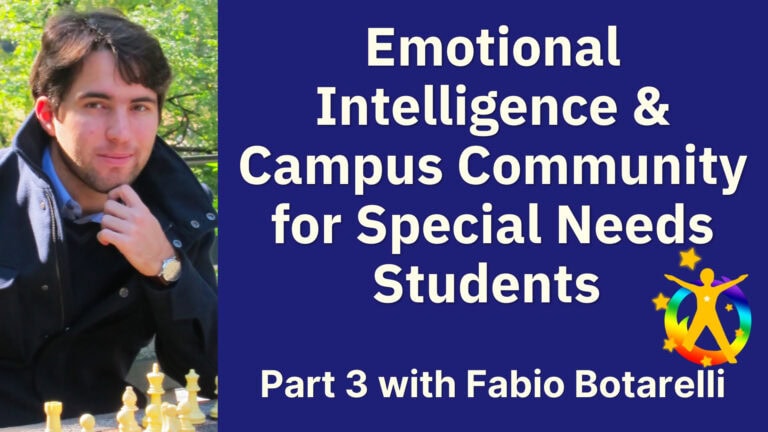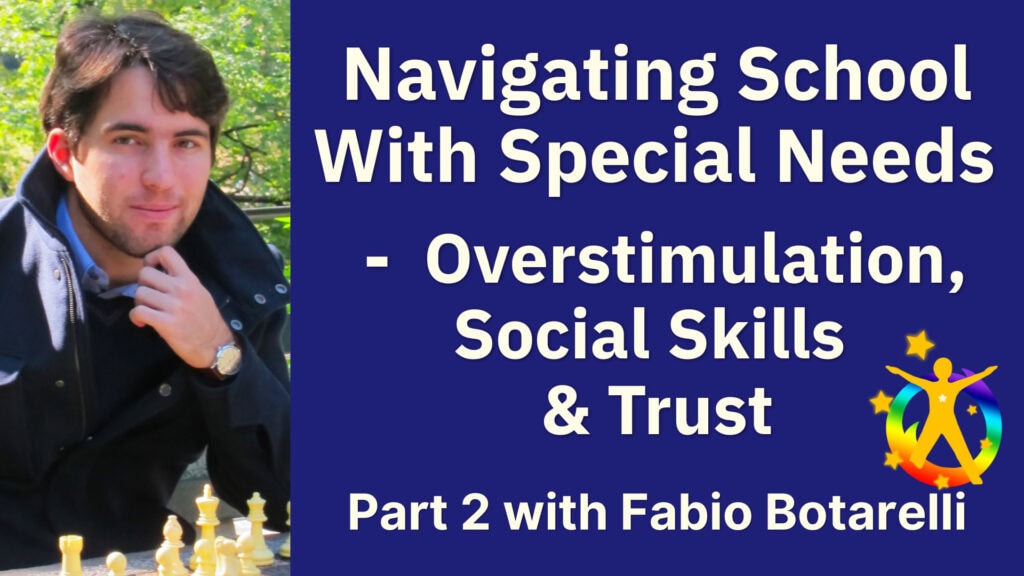
In the world of education for students with special needs, few stories are as compelling and insightful as that of Fabio Botarelli, founder of Chessability. In a recent interview with Mina Roustayi, Fabio Botarelli shared his unique perspective on academic challenges, the impact of specialized learning environments, and how chess can play a powerful role in cognitive and social development for neurodiverse students.
Fostering Holistic Student Development
Chessability, as described by Fabio Botarelli, is more than just a chess program. It’s a mission to educate the “full student.” The initiative is dedicated to helping students with disabilities, including those on the autism spectrum, use chess as a tool for developing cognitive skills, social competence, and emotional self-confidence. According to Fabio Botarelli, the mainstream education system often lacks the resources or approach to foster a love of learning or critical thinking, gaps his programs strive to fill.
With after-school chess programs running daily and morning sessions in select schools, Fabio Botarelli seeks to meet students where they are, both physically and developmentally. He stresses the importance of supportive school staff and environments that recognize and accommodate diverse learning needs.
Navigating School as a Neurodiverse Learner
Fabio Botarelli recounts his journey through elementary, middle, and high school, highlighting how academic challenges compounded with language processing issues and social anxieties. He explains that as students progress, they naturally narrow their interests and develop greater consistency in their chosen activities, a process that is especially meaningful for learners who benefit from structured environments.
Social situations, particularly chaotic or crowded ones, were a major hurdle. Sensory overload, mainly from confusing conversations and overwhelming sounds, led him to prefer solitude or interactions in smaller, predictable settings. The trust and understanding developed with close friends, many of whom had similar challenges, formed the core of his social circle and significantly eased the pressures of communication.
The Churchill School Experience: A Model for Special Needs Support
For both middle school and high school, Fabio Botarelli attended the Churchill School and Center, a renowned K-12 institution for special needs education. He credits several key elements for the school’s supportive atmosphere:
Small Class Sizes: Typically, 12 students per class with two teachers ensured individual attention without anyone feeling left behind or neglected.
Encouragement to Seek Help: Teachers cultivated an environment where there was “no such thing as a bad question,” making it safe for students to express vulnerability and confusion without fear of judgment.
Peer Understanding: The student population’s shared experiences meant less stigma around learning differences and greater mutual support.
Academic Standards: Churchill required students to master the same material as mainstream peers, including preparing for and taking standardized Regents exams. Nonetheless, students were granted crucial accommodations like extra time and notetakers.
These factors synergized to create what Fabio Botarelli describes as a warm, liberating learning environment. It allowed him and his peers to grow academically while feeling emotionally secure, a balance that is often missing in mainstream settings.
Key Strategies for Special Needs Success
A critical takeaway from Fabio Botarelli’s recollections is the effectiveness of specific learning strategies:
Breaking Down Questions: Training to interpret and highlight key parts of prompts aided comprehension, especially in test environments.
Technical Supports: Tools like highlighters and note-taking accommodations paved the way for independent learning and self-advocacy.
Encouraging Self-Expression: Gradual increases in confidence and communication skills, supported by understanding peers and teachers, helped him transition from relative quietness to becoming a skilled conversationalist.
Looking Ahead: Transitions and Lifelong Impact
The next phase of Fabio Botarelli’s journey we explore in part 3 of this series, transitioning to and thriving in college, promises equally valuable insights for parents, students, and educators. His experiences underscore the importance of tailored supports, positive environments, and resilience in shaping outcomes for neurodiverse learners.