
In today’s fast-paced world, the importance of attachment and emotional intelligence in education and parenting cannot be overstated. At the heart of healthy development, successful learning, and resilient children lies the foundation of safe, nurturing relationships—both at home and in school.
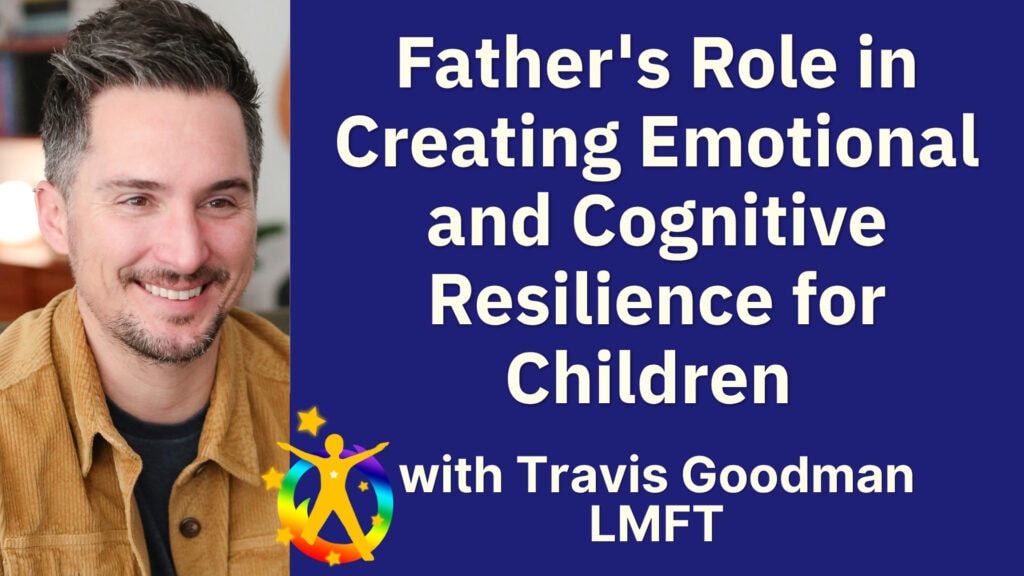
In a recent discussion with Travis Goodman, an expert in attachment theory and emotional well-being, and host Mina Roustayi, we explored how attachment impacts attention, learning, and emotional regulation for students and families alike.
The Four S’s: Building a Safe Haven for Children
Drawing from the work of Tina Bryson and Dr. Dan Siegel, Travis Goodman emphasizes the “Four S’s” every child (and adult) needs: to feel Safe, Seen, Soothed, and Secure. These are not just theoretical ideals, but practical steps parents and educators can incorporate into daily interactions.
Safe: Creating safety for children is not just about physical security, but emotional presence. It’s about how parents and educators show up—with their tone, body language, and active engagement. Children pick up on our nervous system states, so a calm presence reassures them at a deep, nonverbal level.
Seen: To be seen means acknowledging a child’s feelings, thoughts, and experiences, both in words and actions. When adults engage and validate children’s emotions, kids feel recognized and valued.
Soothed: Soothing is the process of co-regulation, helping children manage big emotions by being present, patient, and physically or emotionally available. This calms their nervous system and models healthy emotional coping skills.
Secure: When children experience consistent safety, being seen, and soothing, they become secure—willing to explore, learn, and trust adults. This resilience is the bedrock of mental wellbeing.
Personalizing Support: The Role of Parent and Environment
Every child is different, as Travis Goodman illustrates through his own parenting journey. Some children may need more physical affection, while others require space and gentle encouragement. Recognizing each child’s unique nervous system and needs is key, especially for neurodivergent children.
Importantly, while the family environment is central, the surrounding physical and social environment also shapes a child’s sense of security. A nurturing home can buffer against external stressors, but persistent chaos or threat outside the home can still have an impact.
Attachment’s Lasting Impact In School and Beyond
Secure attachment isn’t just a parenting priority – it’s essential for educators and schools. How classrooms are structured, how teachers interact with students, and the overall school climate all contribute to students’ ability to learn and thrive. As Travis Goodman notes, even a single safe, consistent relationship with a caring adult – teacher or mentor – can make a profound difference, especially for kids in challenging environments.
Negative experiences in childhood, like emotional neglect or harsh discipline, leave a “blueprint” that shapes adult relationships and self-worth. Recognizing and healing these patterns often requires adults to reflect on their upbringing, do their own emotional work, and intentionally break cycles for the next generation.
How Parents and Educators Can Foster Emotional Intelligence
If you were not raised with emotional intelligence, it’s never too late to start. As Travis Goodman shares, it begins with self-awareness – understanding your own story, emotional triggers, and nervous system responses. Modeling emotional regulation for children, being fully present, and creating intentional moments of connection are powerful, everyday tools.
For educators, even within the constraint of a busy classroom, showing up authentically – engaging with eye contact, active listening, and creating a welcoming atmosphere – can set the stage for attachment and learning.
The Key Takeaway
Both neuroscience and lived experience reinforce the truth: before children can learn, they need to feel safe, seen, and valued. Whether you’re a parent, teacher, or mentor, your presence and your willingness to listen, soothe, and guide can change a child’s life trajectory.